

Car Detox Landing Page
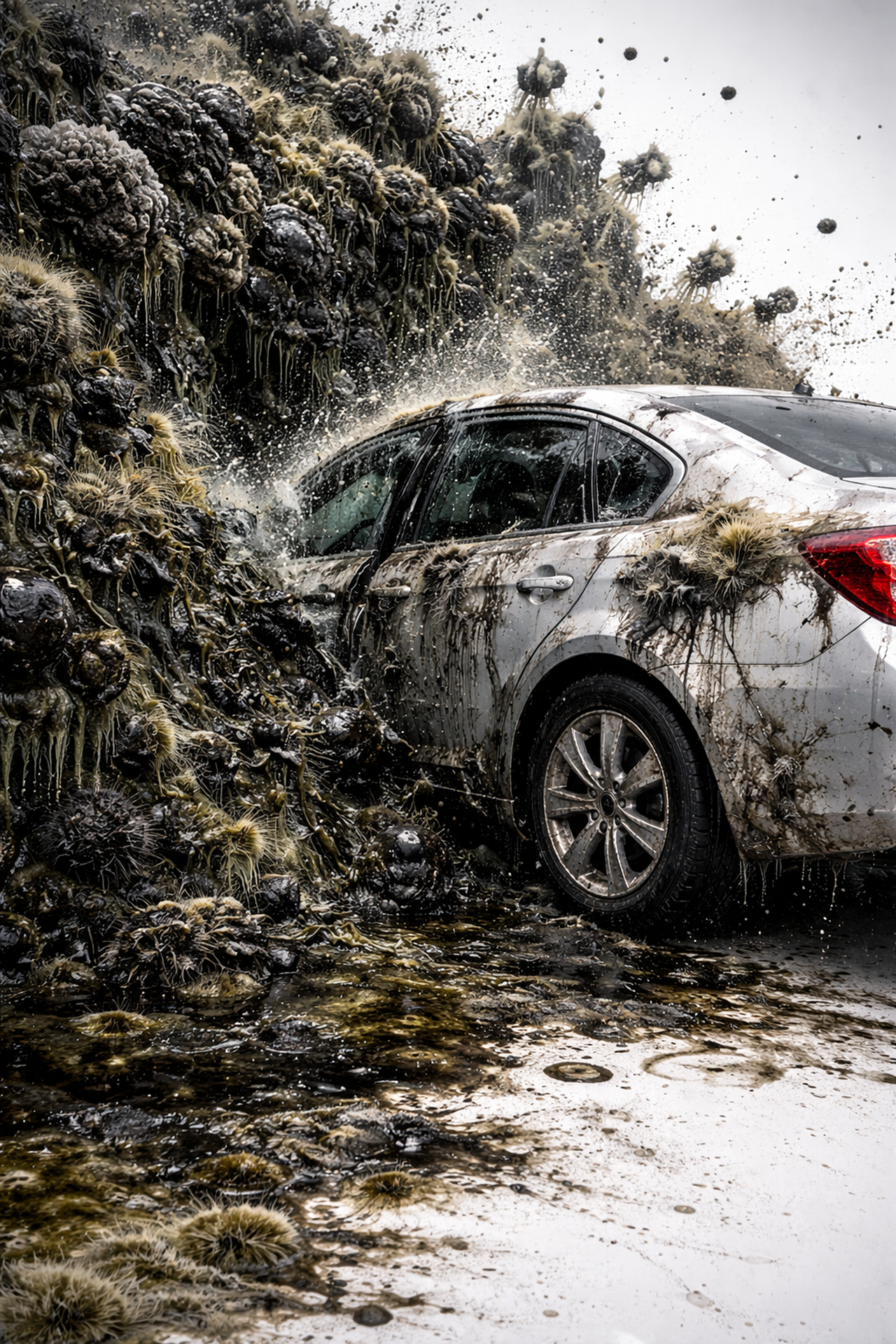
WHY CARS ARE DIFFERENT
How cars can become toxic—even when they look clean
Cars are airtight environments that most people spend multiple hours a week within. So much exposure in such a small environment means that what’s in the air matters.
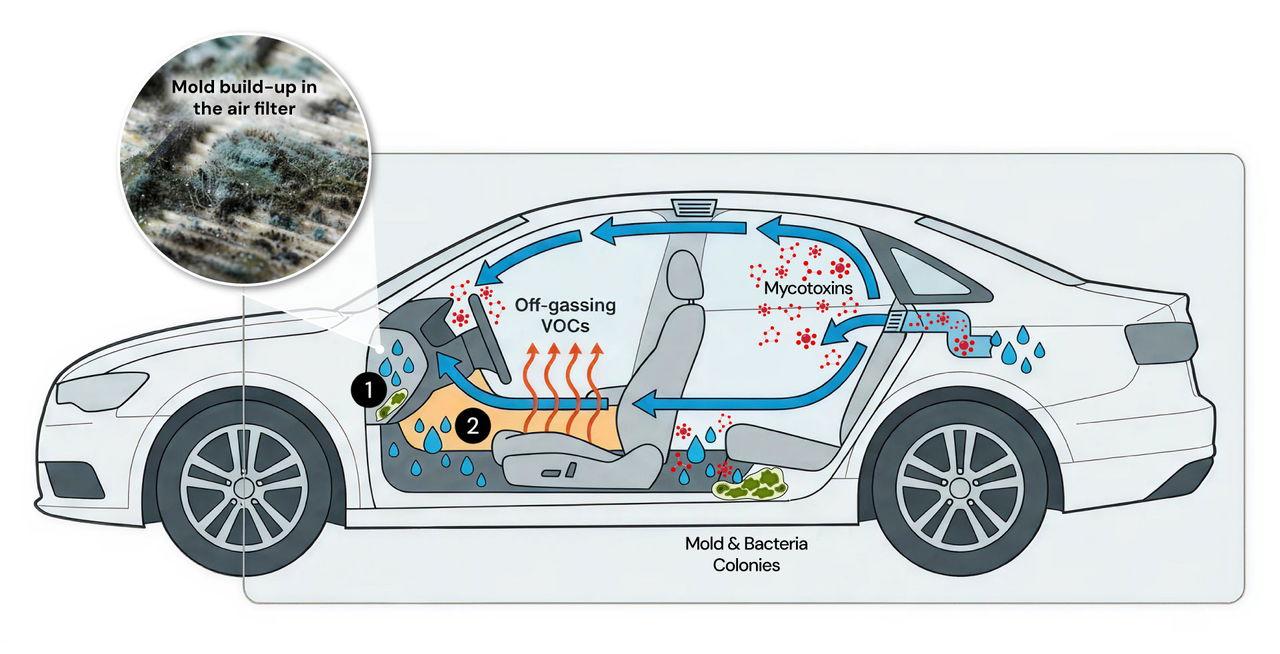
Spills, leaks, can cause odors to form. Worse, mold and bacteria can grow, releasing spores and mycotoxins into the cabin and air system of the car.
Additionally, because of all of the polyurethane materials in new cars, even they aren’t safe. A brand new car can emit enough VOCs to affect many people.
Old or new car–clean doesn’t mean toxin free.
Mycotoxins: The Invisible Threat in Your Air
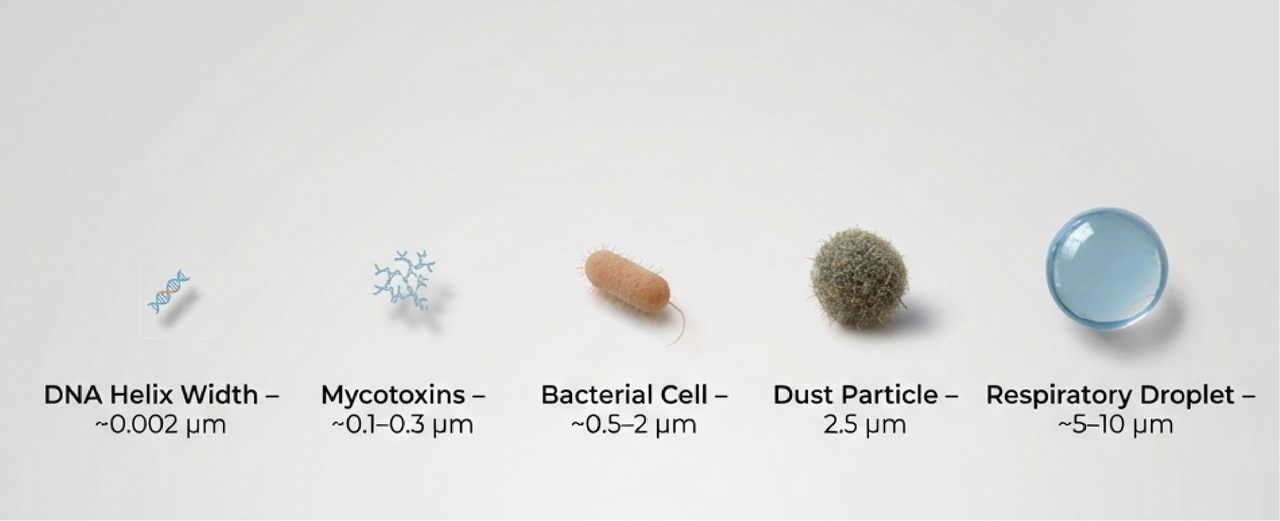
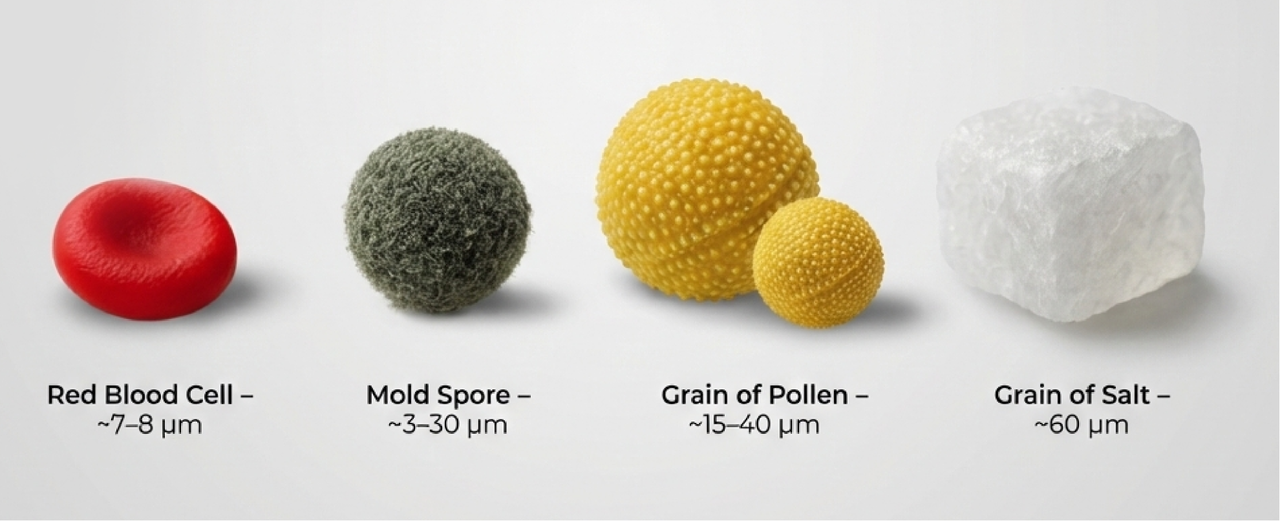
Mycotoxins are among the tiniest airborne threats you’ll ever face—just 0.1 to 0.3 microns across. That’s so small they can pass straight through even the best air filters, which typically stop at around 3 microns. Once airborne, these microscopic poisons—released by certain molds—can slip deep into your lungs and circulate through your car, often riding on dust or spore fragments invisible to the naked eye.
Detailing makes a car look clean. Detoxing destroys the microorganisms and toxic chemicals in your car.
Detailing vs Detoxing

Only improves appearance
Introduces harmful chemicals
Doesn’t address toxins
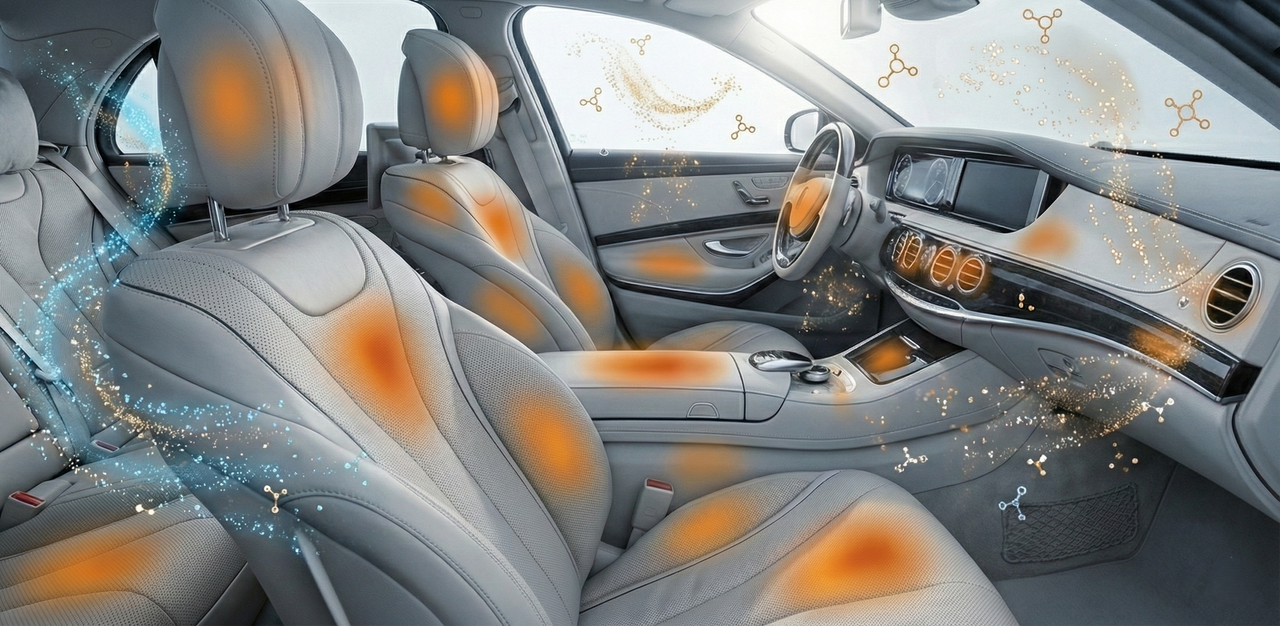
Destroys mold, mycotoxins, and VOCs
Focused on the invisible threats in a car
Creates a lasting detoxification


